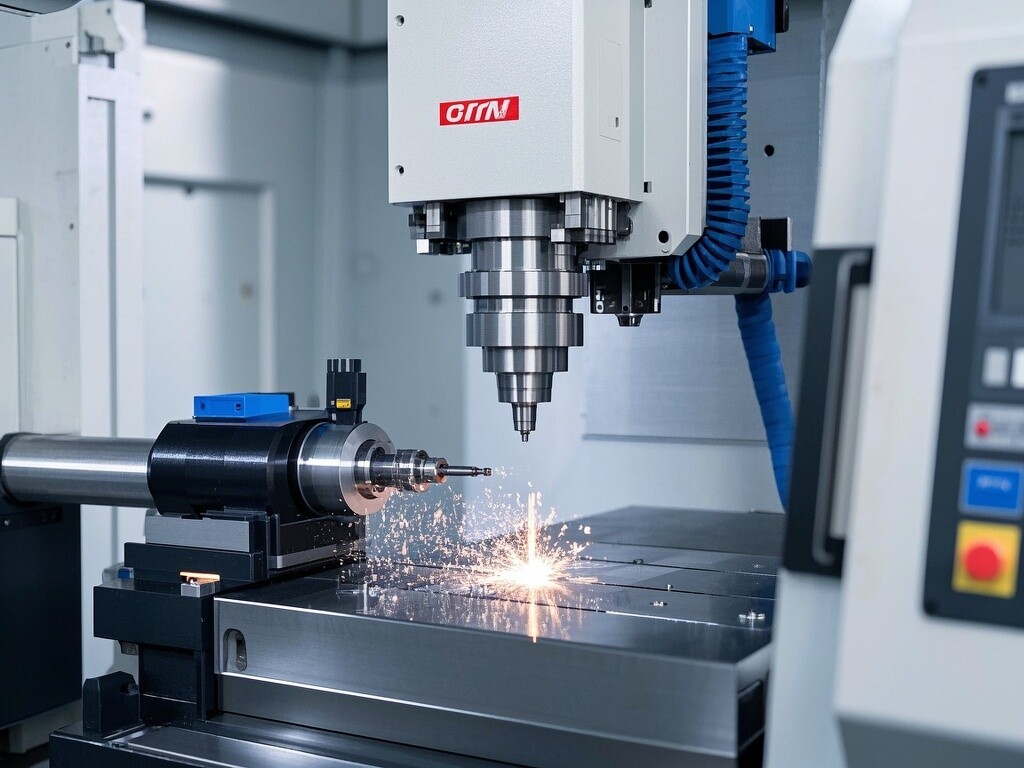
CNC automation can transform throughput and consistency across CNC machines and CNC lathes, but is the investment justified? This article breaks down ROI drivers, compares use cases for CNC milling, CNC turning, CNC grinding, CNC drilling and CNC cutting, and offers a practical procurement and implementation roadmap.
Executive summary: Is CNC automation worth it?
For manufacturers evaluating CNC automation, value is measured by faster cycle times, reduced labor cost per part, higher first-pass yield, and improved traceability. When applied to CNC milling, CNC lathes and CNC grinding cells, automation often pays back within 12–36 months depending on part complexity, production volume and labor costs. A rigorous ROI model must include capital expenditure, integration and programming, tooling, maintenance, and the soft benefits of quality and delivery reliability.
How to frame ROI for CNC machines
Calculate ROI by quantifying:
- Incremental throughput gain (parts per shift)
- Labor savings and redeployment value
- Scrap and rework reduction due to consistent CNC turning, CNC milling and CNC grinding processes
- Increased uptime from lights-out capabilities
- Compliance and reduced inspection costs when traceability is automated
A simple ROI formula: (Annual benefit − Annual operating cost) ÷ Initial capital. Benefits should include both direct savings and revenue from increased capacity.
Cost components to include
Be comprehensive. Typical cost categories:
- Capital: Automated CNC cells, robot loaders, conveyors, fixturing
- Integration: Controls programming, MES/ERP connectivity, safeguards
- Installation & commissioning: Site prep, utilities, training
- Ongoing: Maintenance, consumables, additional tooling
- Opportunity cost: Time to ramp to stable production
Performance gains: realistic expectations
Automation reduces non-cutting time—loading, measuring, and adjustments—so effective cycle time improves significantly for CNC drilling, CNC cutting and multi-axis CNC milling. For lights-out operations, utilization can jump from 50–65% to 85–95%. For high-mix, low-volume shops the benefit may center on skilled labor redeployment rather than pure throughput.
Quality, standards and compliance
Automated processes enable consistent tool offsets, repeatable fixturing and integrated inspection that align with ASTM, EN and JIS practices for dimensional control and material traceability. Integrating automated measurement and SPC reduces escapes and supports certifications that many customers demand. For industries with stringent requirements—medical, aerospace—automation is often prerequisite to meet traceability and process control standards.
Specific process impacts: turning, milling, grinding, drilling, cutting
CNC turning benefits from stable chucking, bar feeding and automated part handling to minimize cycle interruptions. CNC lathes equipped with servo feeders or robotic loaders deliver steady throughput. CNC milling benefits from pallet changers and tool monitoring to reduce downtime, while CNC grinding gains from automated dressing and coolant management. For CNC drilling and CNC cutting operations, automation reduces manual fixturing errors and enables clustered operations without operator intervention.
Case example: simple ROI scenario
Assume a mid-range CNC mill cell costs $180,000 installed, yields 30% more throughput, and reduces three operator shifts to two (annual labor saving $90,000). Annual maintenance and software fees equal $15,000. First-year benefit: labor + extra production value ≈ $130,000. Payback ~1.5 years. Real cases vary; conduct a sensitivity analysis on throughput lift and labor cost.
Procurement and evaluation checklist
- Define target KPIs: parts/day, first-pass yield, uptime.
- Specify required processes: CNC milling, CNC turning, CNC grinding, CNC drilling or CNC cutting.
- Ask vendors for measured OEE improvements and references in your industry.
- Validate controls compatibility (MTConnect, OPC-UA) and MES integration needs.
- Plan for training and maintenance contracts; verify spare parts lead times.
Common pitfalls and how to avoid them
Pitfalls include underestimating integration complexity, poor fixturing design, and ignoring the skills needed to program and maintain automated cells. Avoid these by piloting automation on a representative family of parts, using modular fixturing, and requiring vendor-supported startup and training plans. Include contract terms for performance acceptance tests and uptime guarantees.
Implementation roadmap
Start small: select a pilot line or cell, define metrics, and run for a defined period. Scale successful configurations across similar CNC machines. A staged approach reduces risk and accelerates learning.
Practical tip
Consider hybrid solutions—retrofit automation for existing CNC lathes or new integrated cells—based on capital constraints and lead times. Small investments in flexible robotic loaders can extend the life of existing CNC machines while providing noticeable gains.
Why choose us
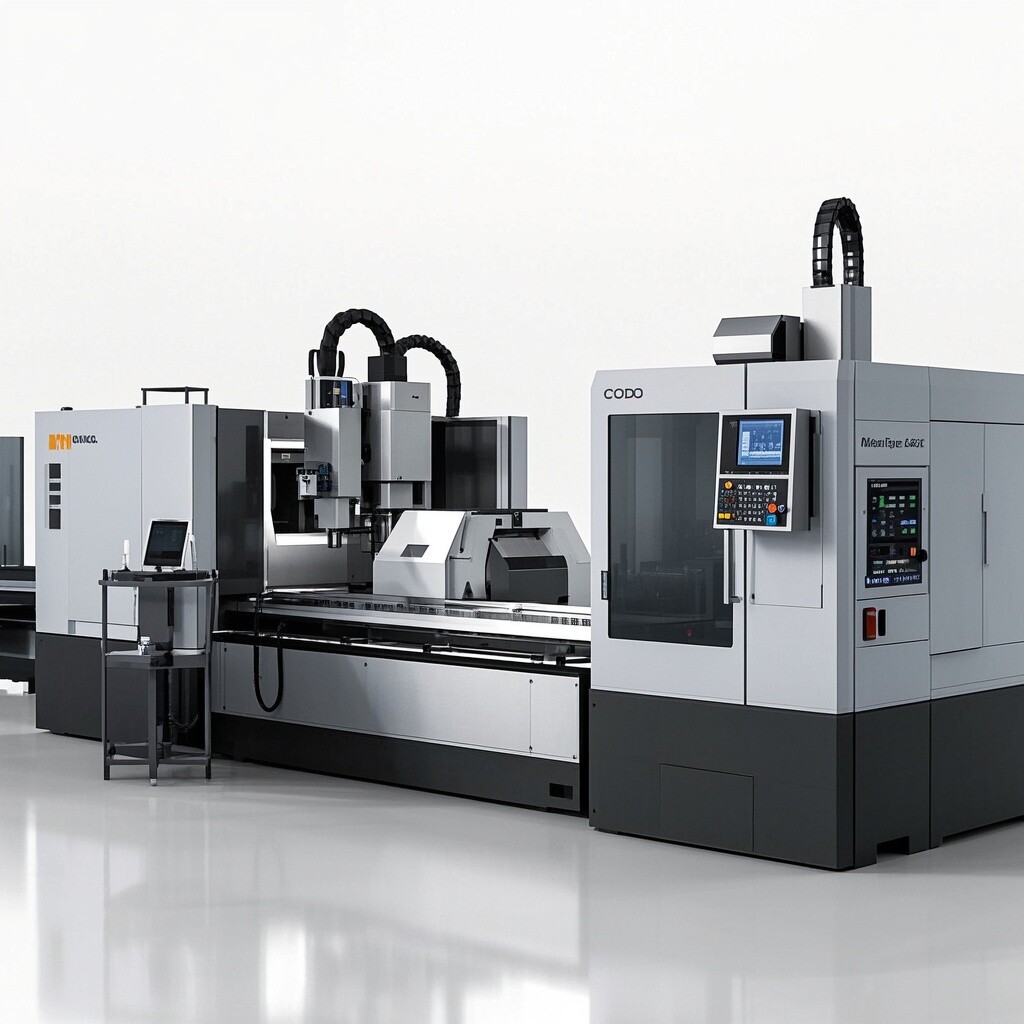
We combine hands-on manufacturing experience with standards-driven integration (ASTM/EN/JIS) and a proven track record across CNC milling, CNC turning and automated grinding cells. Our team evaluates your current floor, simulates throughput gains, and produces an ROI model tailored to your cost structure. Learn more about a reference cell we deployed:
Conclusion and next steps
CNC automation is worth the investment when gains in throughput, quality and reliability exceed the total cost of ownership within your target payback window. For many shops, improvements in CNC machines utilization and the ability to run unattended shifts make automation a strategic enabler. Start with a quantified pilot, include standards-based traceability, and plan for staff training to ensure sustainable results.
Ready to quantify ROI for your specific lines? Contact our engineering team to run a no-obligation assessment and get a tailored roadmap for integrating CNC automation across your CNC lathes and machining centers.